Before you choose
Choose a retro detail you would wear now
This is a style-inspiration gallery, not a dated photographic archive. Older portraits sit beside contemporary interpretations of curtains, close crops, contrasting tips, braids and longer relaxed outlines. Compare the visible shape you like, then decide how much of the length, height or color contrast you want to bring into your own haircut.
The hairstyle gallery
19 90s hairstyles for men ideas to compare
Compare the visible length, shape, texture, and finish before choosing a salon reference.
Idea 01
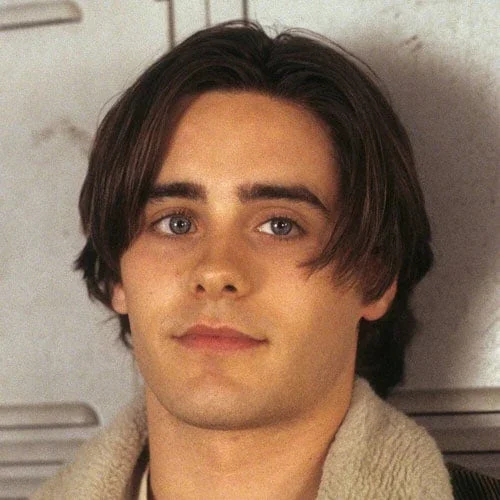
Straight Curtains With Cheek-Length Ends
Straight dark curtains open near the center and fall beside the cheeks. The longer front pieces frame the face without a tall raised section above the forehead.
- Shape
- Center opening
- Detail
- Cheek-length front pieces
The sides connect with the front, creating a soft rounded outline around the ears. The smooth surface makes the length of the curtain pieces easy to compare.
Wearability note: Choose this if the curtain shape is your main reference. Discuss where the front should end beside your face rather than relying only on the nostalgic label.

Idea 02
Short Curtains With a Swept Center
Short curtains open near the center with the roots swept away from the forehead. The ends turn down beside the temples, keeping the face more open than longer curtain pieces.
- Shape
- Short curtain opening
- Detail
- Swept-back roots
The sides are compact and tuck close around the ears. Lighter strands through the front emphasize the direction without changing the basic parted outline.
Wearability note: Choose this as a shorter interpretation of the curtain shape. Compare how much forehead stays visible before choosing between this open front and the longer falling versions.

Idea 03
Rounded Crop With a Blunt Fringe
A rounded dark top ends in a blunt short fringe. The sides sit closer beneath it, making the upper outline look more continuous and cap-like.
- Shape
- Rounded top outline
- Detail
- Blunt short fringe
The front edge stays high enough to leave the eyebrows visible. This newer-looking crop offers a sharper interpretation of a rounded fringe shape rather than a dated archival example.
Wearability note: Choose this if you like the strong front line more than long curtains. Discuss the amount of side contrast separately so the rounded outline remains the main feature.
Choose your direction
Choose the front shape
Compare curtains, short fringe and upright tips.
Choose the outline
Look at close sides beside longer ear and nape coverage.
Separate color from cut
Decide whether the contrast matters as much as the shape.
Idea 04
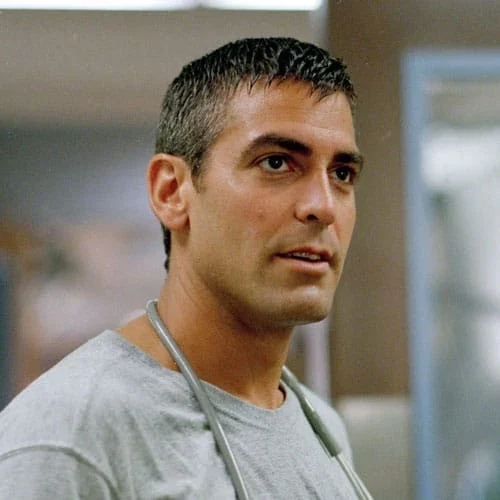
Close Crop With Tiny Forward Ends
A very short dark crop has tiny ends directed forward at the forehead. The sides stay close and connected, keeping the whole silhouette compact.
- Shape
- Very short top
- Detail
- Tiny forward fringe
There is little extra height through the front. The short uneven edge gives the cut some texture without a long fringe or a sharply raised crest.
Wearability note: Choose this for a restrained short-cut direction within a retro-inspired collection. Compare the front edge and side coverage in your own hair rather than expecting an exact match from a portrait.
Idea 05
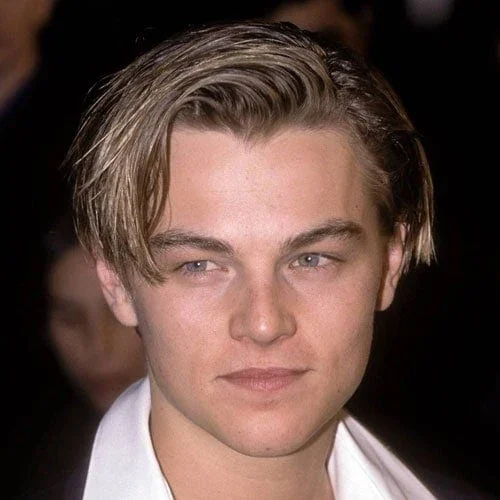
Long Side Curtain With an Open Part
A long side curtain falls beside an open part, leaving one side of the forehead more exposed. The front piece extends toward the cheek instead of stopping at eyebrow level.
- Shape
- Long side curtain
- Detail
- Open side part
The sides stay softly connected around the ears. This creates an asymmetric version of the curtain shape, with the longer falling section carrying most of the movement.
Wearability note: Choose this if you prefer a side opening to an even center split. Compare the longest front piece with your glasses and eye line before deciding how much length to keep.
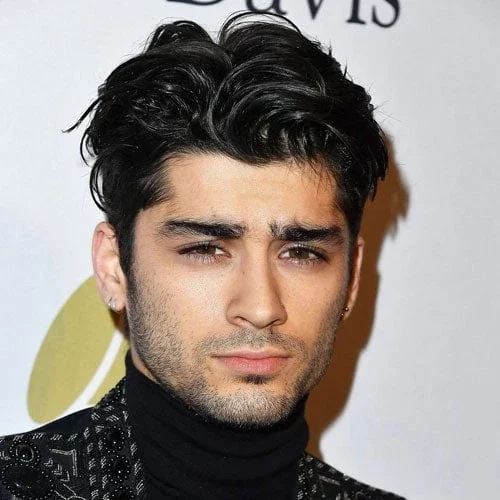
Idea 06
Full Wavy Curtains With an Open Forehead
Full dark waves open near the center and curve away from the forehead. The front has more lift than straight falling curtains, creating a rounder upper silhouette.
- Shape
- Full wavy front
- Detail
- Open center division
The shorter sides keep the width controlled around the ears. This is a contemporary interpretation of the parted shape, useful for comparing how added wave changes the front.
Wearability note: Choose this if you like curtains with more movement above the face. Discuss your own wave pattern rather than assuming the same part alone will recreate the photographed volume.
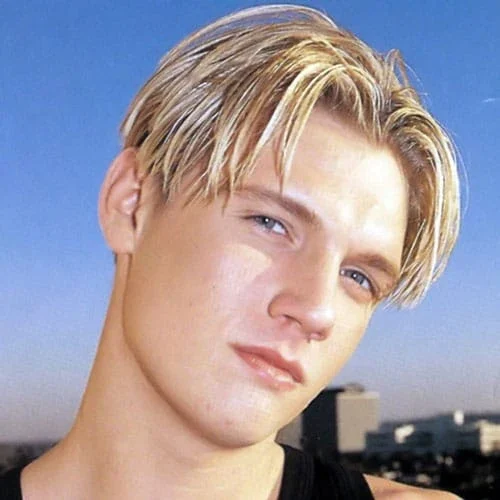
Idea 07
Pale Curtains With Separated Front Pieces
Pale straight pieces fall on either side of a central opening. The separated ends give the front a lighter edge than one solid panel of fringe.
- Shape
- Pale curtain pieces
- Detail
- Open central part
The front pieces turn slightly as they approach the sides of the face. The side outline remains close enough that the curtains, rather than the overall width, become the main detail.
Wearability note: Choose this for the parted front and separated ends. Treat the light color as a separate preference from the length and direction of the curtain shape.
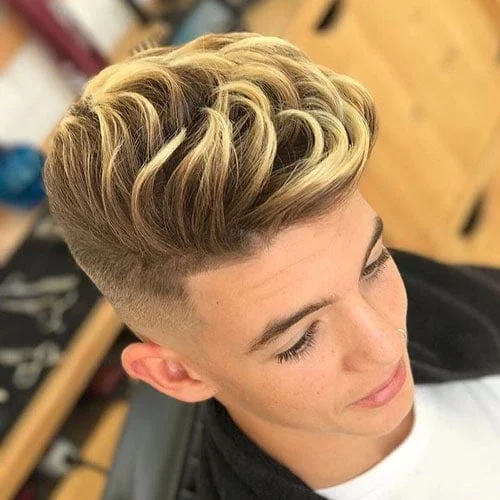
Idea 08
Broad Pale Streaks Through a Raised Front
Broad pale streaks follow the curves of a raised brown front. The contrasting sections make the direction of the longer top especially prominent above the short sides.
- Shape
- Broad light streaks
- Detail
- Raised curved front
This is a newer interpretation of a high-contrast, highlighted look. The shape is smoother and more curved than the fine pointed tips shown in the spiky examples.
Wearability note: Choose this if the bold light-and-dark separation appeals to you. Discuss the raised outline independently from the color so both decisions remain clear.
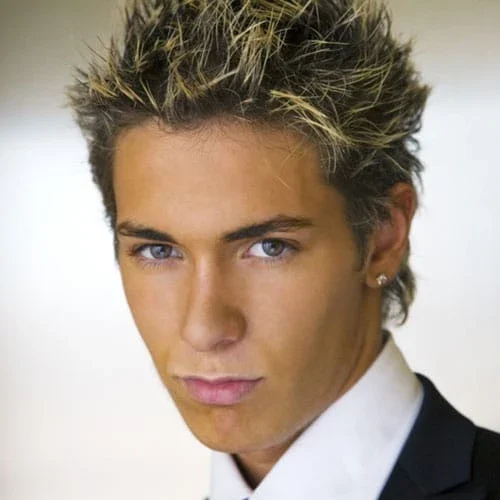
Idea 09
Fine Light Tips Across Tall Spikes
Fine spikes rise across a darker top with lighter ends defining the tips. The narrow separated pieces create a more scattered surface than a smooth raised sweep.
- Shape
- Tall fine spikes
- Detail
- Light-tipped ends
The sides stay shorter while some length remains toward the back. The contrast is distributed through many small points rather than a few broad highlighted panels.
Wearability note: Choose this for fine separation and visible light tips. Compare the height you actually want to wear, since the photographed points represent a deliberately arranged finish.
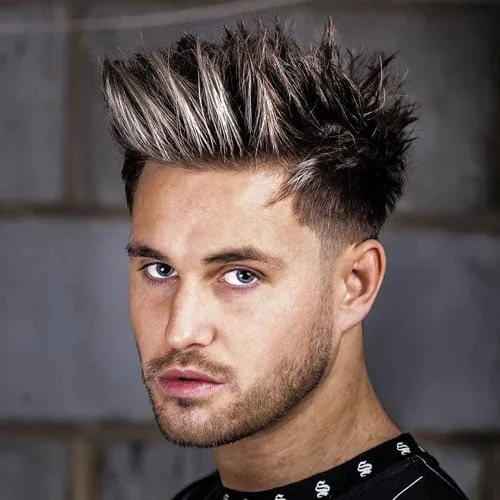
Idea 10
Wide Spikes With Bright Front Tips
Wide pointed sections rise above short sides, with brighter tips concentrated near the front. The larger spikes create a bolder outline than the finer scattered points.
- Shape
- Wide pointed sections
- Detail
- Bright front tips
The front is fully open beneath the raised texture. This newer-looking version keeps the high-contrast tipped effect while using a compact side profile.
Wearability note: Choose this if you like broad sections and a strong raised front. Compare the spike width with the finer example before deciding how separated you want the finished surface.
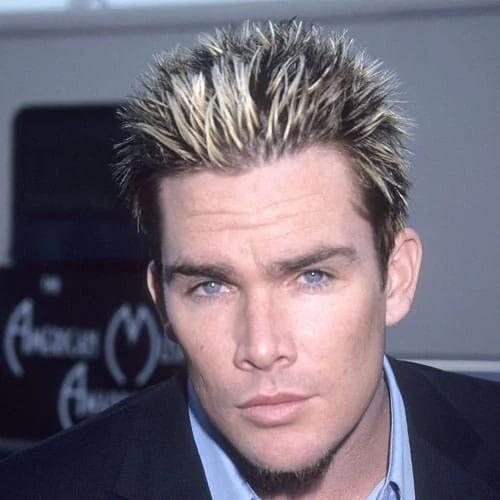
Idea 11
Short Spikes With Pale Ends
Short upright spikes have pale ends that stand out against darker roots. The points are spread across the top instead of forming one narrow center crest.
- Shape
- Short upright spikes
- Detail
- Pale ends
The side outline stays compact, keeping the brightest detail above the forehead. The small sections create texture without the very long forward pieces used in some modern spiky cuts.
Wearability note: Choose this if you prefer a shorter tipped look. Compare the color contrast and the point height separately when deciding how close to this finish you want to go.
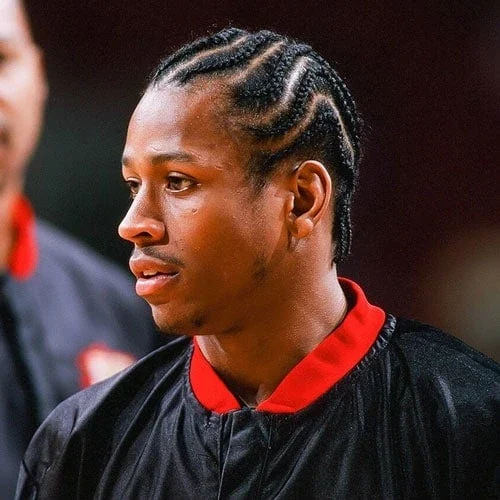
Idea 12
Curved Cornrows With a Compact Finish
Curved cornrows follow the scalp and finish in short ends behind the head. The side angle shows the changing row direction while keeping the outer shape compact.
- Shape
- Curved cornrow paths
- Detail
- Short rear ends
The design uses several fine paths rather than a large raised top. It brings a braided direction into this inspiration set without adding loose lengths around the face.
Wearability note: Choose this for its row layout and close outline, not as proof of a photograph’s date. Bring a top view too if the parting pattern is the detail you want to discuss.
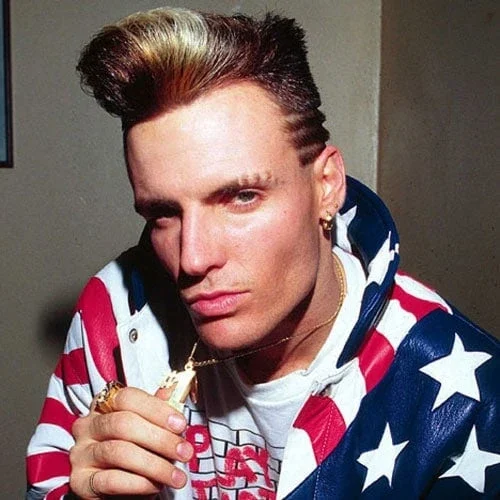
Idea 13
Raised Front With a Bold Light Section
A raised front roll includes a bold pale section through the middle. The strong color contrast makes the curved direction visible even in a compact portrait.
- Shape
- Raised front roll
- Detail
- Bold pale front section
The sides are shorter and swept away from the face. Most of the volume stays at the front rather than continuing as an even high shape across the crown.
Wearability note: Choose this if you like a dramatic front and a clear light section. Compare the silhouette independently from the color before deciding which parts of the reference matter to you.
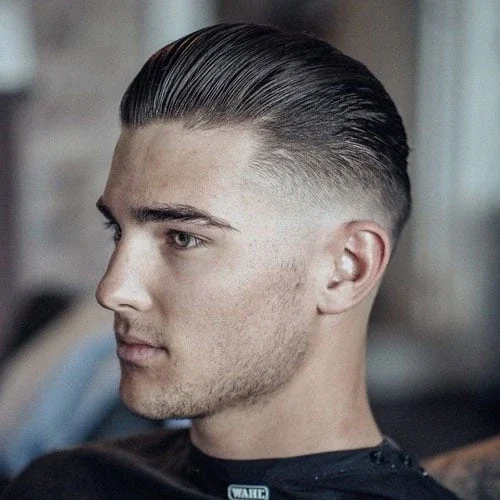
Idea 14
Smooth Sweep With Closely Cut Sides
Smooth dark hair sweeps back from an open forehead above closely cut sides. The top follows one clear direction instead of breaking into curls, curtains or spikes.
- Shape
- Smooth backward direction
- Detail
- Closely cut sides
The side transition gives this newer interpretation a compact profile. Its clean sweep provides a useful contrast to the looser, longer retro-inspired shapes in the gallery.
Wearability note: Choose this if an open forehead and controlled direction appeal to you. Discuss the side length separately so the finished shape does not depend on copying the exact fade.
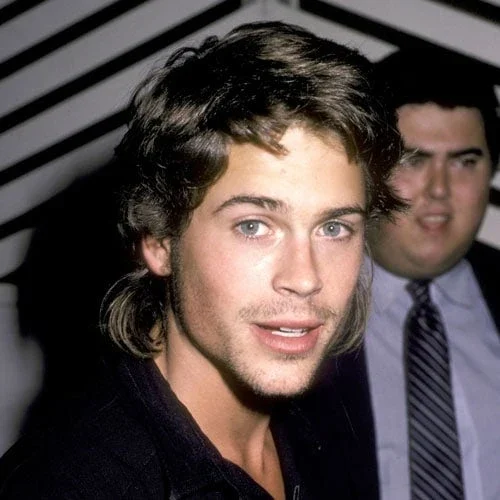
Idea 15
Loose Waves With Longer Nape Ends
Loose waves surround an open front and continue into longer ends at the nape. The outline keeps movement around the ears instead of using close sides.
- Shape
- Loose medium waves
- Detail
- Longer nape ends
The front is shorter than the lower back, giving the cut a softly elongated silhouette. The waves break up the edges without a rigid straight line around the bottom.
Wearability note: Choose this if you like a relaxed longer outline. Bring a rear view too when the nape length is important, since a front portrait can hide much of that difference.
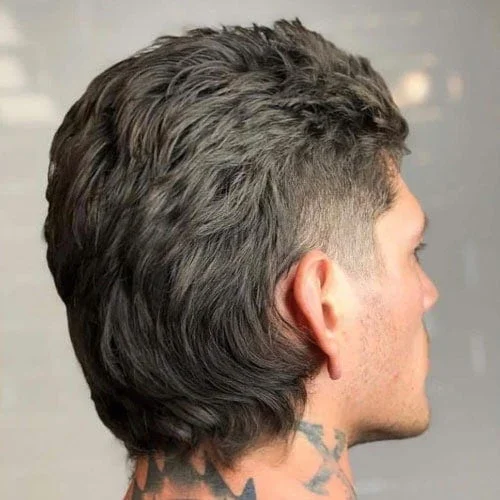
Idea 16
Textured Top With a Long Soft Nape
A textured shorter top connects with a long soft nape in this rear side view. The extra back length changes the silhouette even though the ear area stays relatively open.
- Shape
- Textured shorter top
- Detail
- Long soft nape
The ends separate along the lower outline instead of forming a blunt block. This newer cut offers a restrained interpretation of a longer-back shape.
Wearability note: Choose this if the back length is the feature you want to keep. Compare where the ends meet your collar before deciding how far the nape should extend.
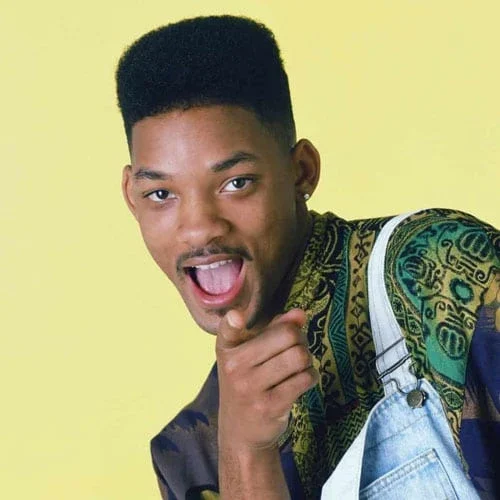
Idea 17
Tall Flat Top With a Squared Outline
A tall flat top forms a squared outline above short sides. The height remains consistent across the upper shape rather than tapering into a pointed crest.
- Shape
- Tall flat top
- Detail
- Squared upper outline
The clear top edge is the defining feature of the portrait. The sides create a narrower base beneath that height, making the whole silhouette easy to compare.
Wearability note: Choose this if the geometric outline appeals to you. Discuss the top height and upper corners together so the reference does not get reduced to a generic short-sides request.
Idea 18
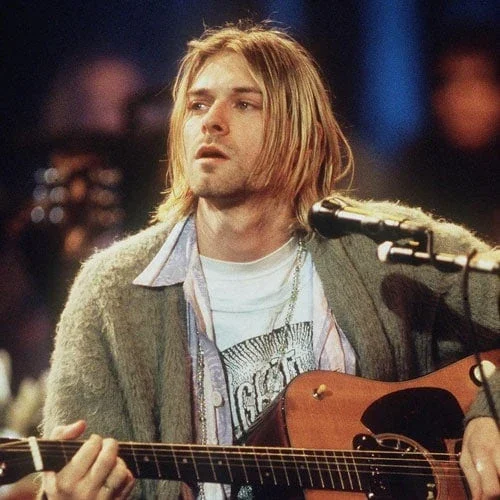
Straight Shoulder-Length Hair With a Loose Part
Straight pale hair falls from a loose part toward the shoulders. The front pieces stay long enough to move beside the face rather than forming a short curtain fringe.
- Shape
- Loose off-center part
- Detail
- Shoulder-length ends
The lower ends are uneven and separated, giving the outline a relaxed edge. The performance setting adds movement but does not obscure the overall length.
Wearability note: Choose this if you prefer a longer, less sculpted direction. Compare where the ends meet your shoulders and collar before deciding how much length you want to retain.

Idea 19
Long Waves Swept Away From the Face
Long brown waves fall over the shoulders with the front swept away from the face. The open forehead makes this a different option from long straight pieces falling forward.
- Shape
- Long loose waves
- Detail
- Swept-open front
The lower lengths have broad bends and a soft irregular edge. This newer interpretation emphasizes movement and length rather than a sharply cut fringe or closely faded side.
Wearability note: Choose this if you enjoy a longer outline with the face kept open. Compare the wave pattern with your own hair and check how much shoulder length you would like to wear.
Borrow a detail without copying every feature
A reference can be useful for its curtain length or pointed texture even if the color, clothing or exact finish is not your preference. Name the visible details you want to keep.
Use a side or rear view when the lower outline matters. The shape at the ears and nape can change the result as much as the more obvious fringe or raised front.

About the author
Bella Ross
Bella Ross is the hairstyle editor behind Latest Easy Hairstyles. She curates practical haircut, braid, color, and styling ideas with a focus on looks that are easy to browse, realistic to recreate, and useful for everyday hair decisions.